Tiny Shifts, Big Outcomes in Everyday Spaces

Today we explore micro‑nudges in physical environments—small, thoughtful cues in kitchens, desks, and doorways—that steer choices without shouting. From fruit bowls placed at eye level to entryway hooks that simplify departures, discover practical adjustments that transform routines, reduce friction, and invite healthier, calmer, more focused days, one subtle redesign at a time. Try one gentle change today and tell us what noticeably shifted by sunset.

Designing Kitchens That Gently Guide Better Choices
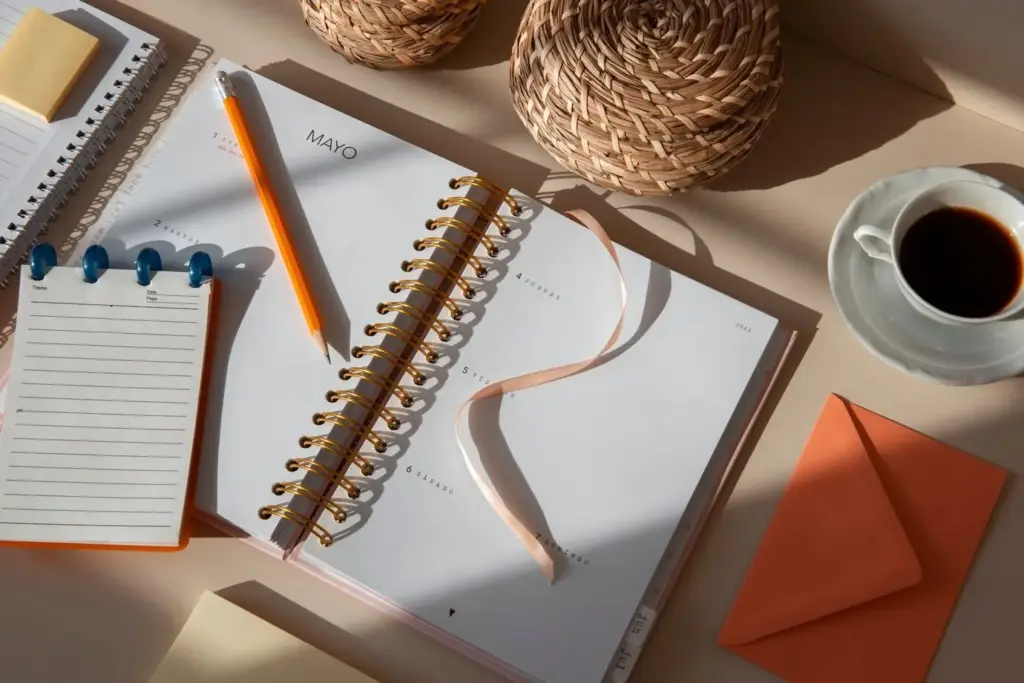
The way ingredients, tools, and light are arranged can nudge what we cook, how much we snack, and whether cleanup even begins. By elevating what helps and hiding what hinders, a kitchen becomes a quiet partner: fewer obstacles to water, produce, and prep, more friction around mindless midnight grazing.

Desk Setups That Nudge Focus Without Forcing It

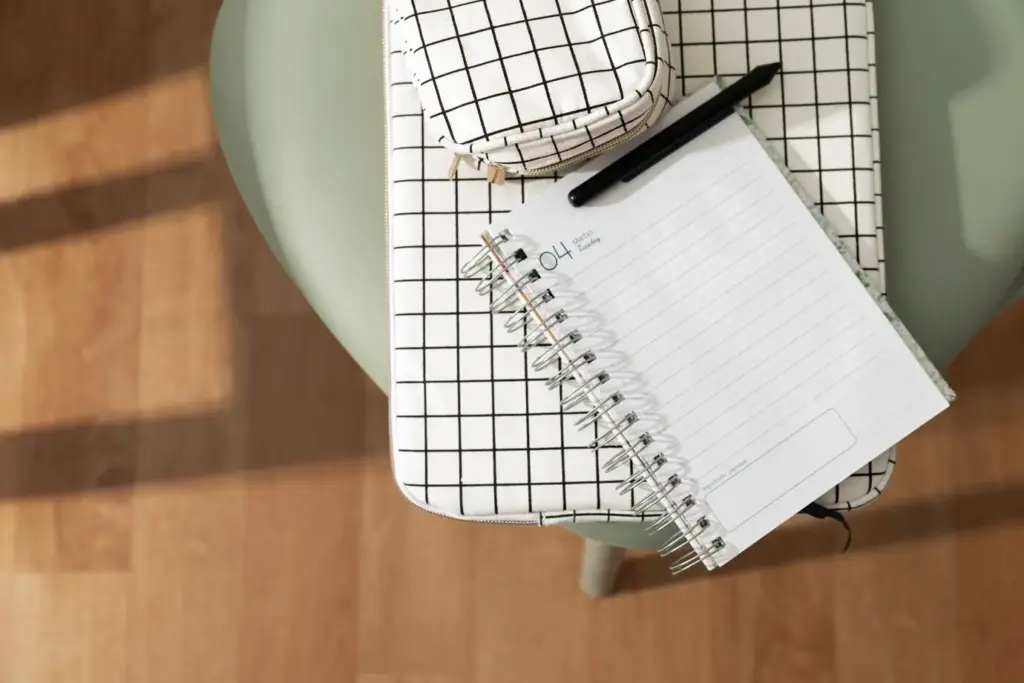
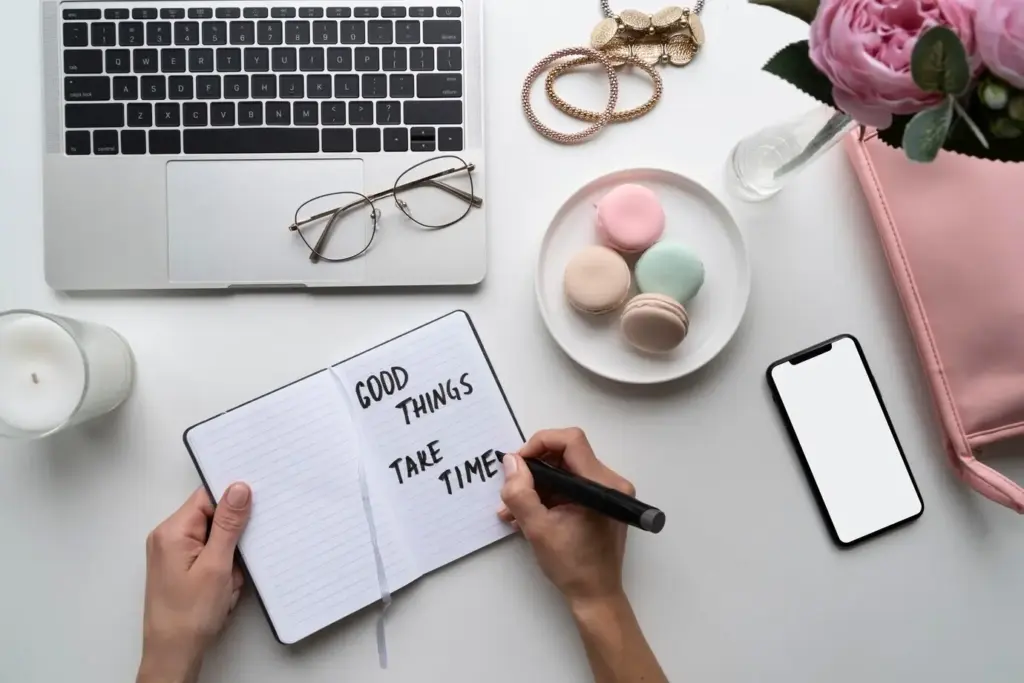
Attention thrives when the default workspace favors single tasks, clear sightlines, and effortless starts. Arrange tools so beginning is easier than browsing, and ending is obvious. Lighting, screen angle, and paper stations can cue short bursts, micro-breaks, and smoother shutdowns, preventing the drift into tabs, crumbs, and interminable scrolls.

The Pause at the Threshold

Install a slim shelf and a small card listing two questions: What am I carrying in, and what am I leaving behind? This moment breaks momentum, preventing muddy footprints, stray emails during dinner, and forgotten water bottles that would otherwise derail a walk you promised yourself.

Directional Cues Shape Flow

A runner of contrasting color guides feet inward, while a coat hook at eye height favors immediate hanging over chair-draping. Even a doorstop’s angle whispers which pathway to choose, turning heavy morning traffic into a calm pattern that protects the kitchen prep zone from curious detours.

Welcoming Without Inviting Distraction

An open doorway to a home office can smile without letting noise spill in. A fabric draft guard, soft-close hinge, and a respectful sign at child’s-eye level create warmth plus boundaries, so family feels considered while your attention remains anchored through demanding segments of the day.

Color, Contrast, Texture: Quiet Signals That Steer

Subtle palettes and material choices influence approach, calm, and caution long before thought arrives. Warm tones welcome prep and conversation; cool hues cool tempers near deadlines. Contrasts reveal what matters, textures slow rushing feet, and small sounds shape pace, turning kitchens, desks, and doorways into supportive, legible landscapes.

Warm for Gathering, Cool for Concentration

Earthy bowls, wood grain, and soft amber under-cabinet light invite chopping, tasting, and chatting. Cooler grays and deep blues around the monitor gently lighten cognitive load. The palette choreographs energy, calling hands to food and minds to problems, then lowering volume as evening decompression finally takes its seat.

Contrast as a Compass

Use brighter bins for daily tools and muted bins for archives. High-contrast labels near doorways outperform memory during rushed mornings. On the desk, a white pad under a dark keyboard creates a visual runway that orients fingers and discourages stray clutter from trespassing into the productive zone.

Texture and Sound Shape Pace

Rough mats cue shoe wiping; soft runners encourage quieter steps past sleeping rooms. A cork board swallows noise and provides a pin-friendly surface for checklists. Even the clack of a favorite mug can become a starting bell that pairs hydration with settling into work, without conscious negotiation.

Run Small Experiments and Measure Lightly

Change one element at a time and watch what actually shifts: water intake, snack frequency, start times, or hallway congestion. Photos capture layouts before-and-after, timers count focused minutes, and simple tallies reveal trends. Iterating calmly prevents blame spirals and celebrates wins fueled by design, not pressure. Share your most surprising result to spark someone’s next tiny experiment.

Be Clear About Purpose

Say aloud why the fruit moved or why the door now closes softly: to reduce spills, avoid interruptions, or help mornings run kinder. Clarity reduces suspicion and opens collaboration, especially with children, roommates, or colleagues who might experience the same nudge very differently.

Design for Diverse Abilities

Place essential items within comfortable reach for wheelchair users, elders, and kids. Use tactile markers on identical jars, stronger contrasts on light switches, and lever handles on doors. Equity begins where effort decreases for those who often expend the most to navigate shared spaces.

Invite Feedback, Keep What Works

Create a monthly five-minute walk-through with housemates or teammates. What made mornings smoother? What created friction unexpectedly? Keep the wins, revert the misses, and try one fresh placement. Continuous consent and iteration sustain goodwill far longer than any singular clever placement could ever promise.
Kulerazolifefurofivi
Privacy Overview

This website uses cookies so that we can provide you with the best user experience possible. Cookie information is stored in your browser and performs functions such as recognising you when you return to our website and helping our team to understand which sections of the website you find most interesting and useful.